
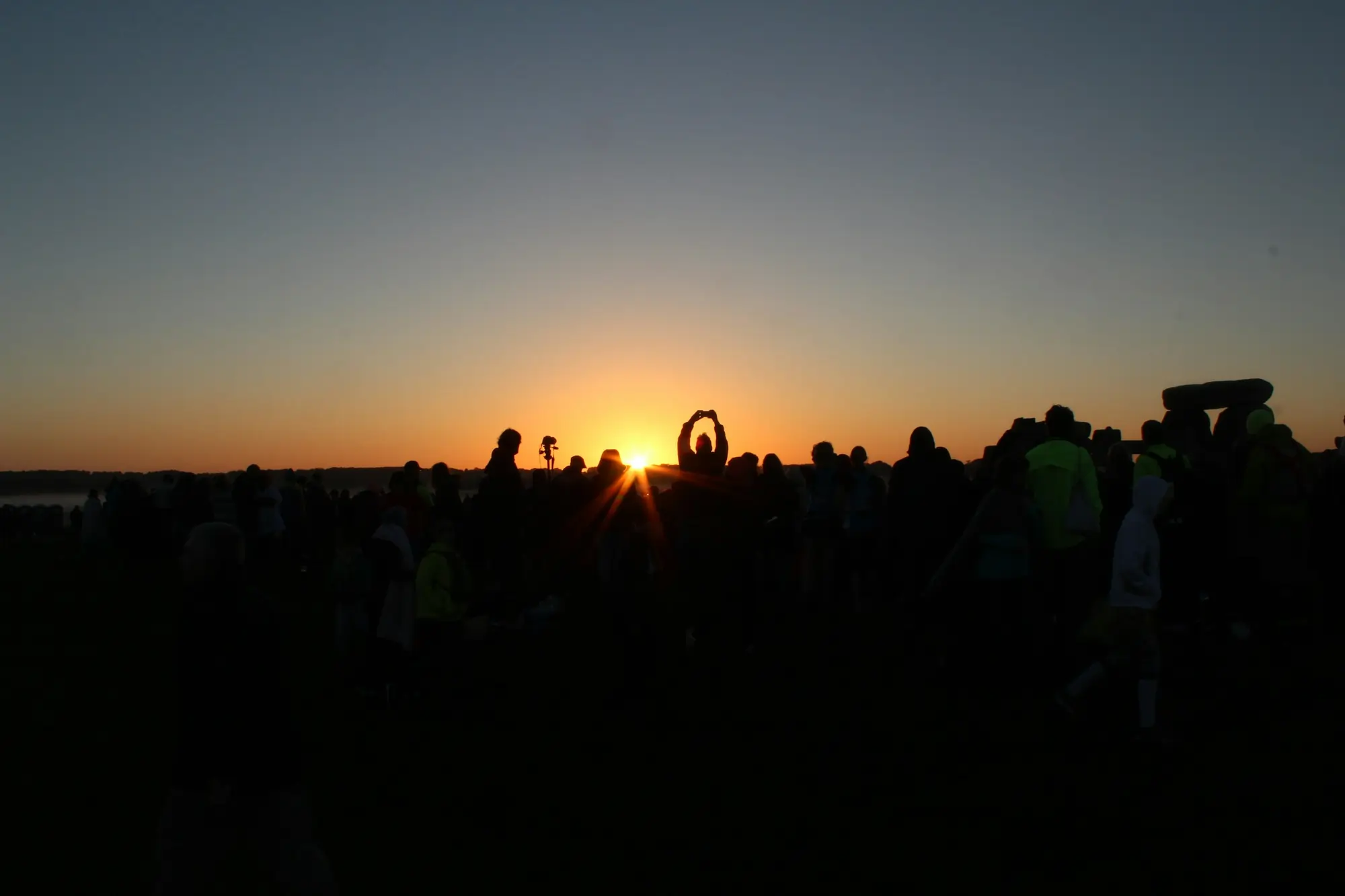
The Summer Solstice, also known as Midsummer, marks the longest day of the year when the sun graces us with its presence for an extended period. This celestial event has been celebrated across cultures and continents for centuries. As a travel expert, I invite you to explore some of the most enchanting destinations where you can immerse yourself in the magic of the Summer Solstice. From ancient rituals to modern festivities, these locations promise an unforgettable experience.
Stonehenge, England
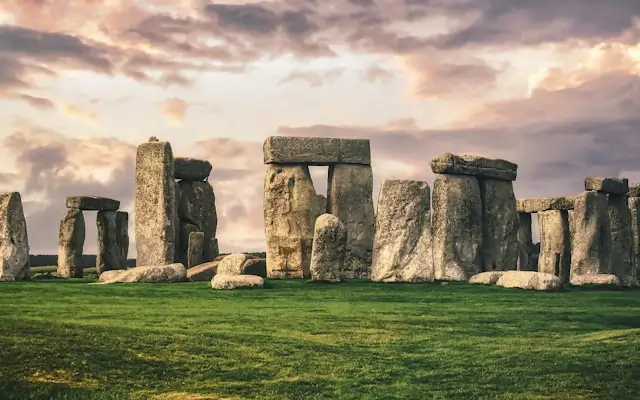
Stonehenge, the iconic prehistoric monument in Wiltshire, England, draws thousands of visitors during the Summer Solstice. The massive stone circle aligns perfectly with the rising sun on this special day. Join the modern-day druids and witness the sun peeking through the ancient stones, casting a mystical glow.
Best Times to Visit Stonehenge:
- The best time of day to visit Stonehenge is before 9:30 AM and in the afternoon after 4 PM in the summer or 2 PM in the winter.
- Coaches generally arrive between 9:30 AM to 4 PM, which tends to be the peak and most crowded time.
- The busiest time for visitors is during the summer months, from July to mid-September. To avoid crowds, consider visiting in spring or autumn when it’s still sunny and not as cold as in winter.
- For a unique experience, consider the Stonehenge Sunset Tour, where you can watch the sunset and go behind the rope line to get up close to the stone circles.
- Alternatively, take the Shuttle Bus from Central London, which includes entrance fees and an audio guide.
Weather Forecast:
- Stonehenge’s weather varies, but for today, expect some sun with clouds, a high of 65°F (18°C), and patchy clouds at night with a low of 41°F (5°C).
- Showers and thunderstorms are expected late Sunday night through Monday afternoon.
Geography:
- Stonehenge is a prehistoric megalithic structure located on Salisbury Plain in Wiltshire, England, about 8 miles (13 km) north of Salisbury.
- It consists of an outer ring of vertical sarsen standing stones, each around 13 feet (4.0 m) high, 7 feet (2.1 m) wide, and weighing around 25 tons, topped by connecting horizontal lintel stones.
- Inside the outer ring is a circle of smaller bluestones, and within these are free-standing trilithons (pairs of uprights with a lintel on top).
- Stonehenge is aligned toward the summer solstice sunrise and winter solstice sunset. It’s part of a dense complex of Neolithic and Bronze Age monuments, including burial mounds.
History:
- Stonehenge was built in six stages between 3000 BCE and 1520 BCE, transitioning from the Neolithic Period to the Bronze Age.
- It was likely a religious site, an expression of power and wealth, and possibly used for observing the Sun, and Moon, and working out the farming calendar.
- Present-day Druids gather there to hail the midsummer sunrise.
- The site’s mysterious past has spawned countless tales and theories, from Merlin’s magic to alien spacecraft landing areas.
- Archaeological investigation dates back to the 1660s, revealing a complex history of construction and burial practices.
Reykjavik, Iceland
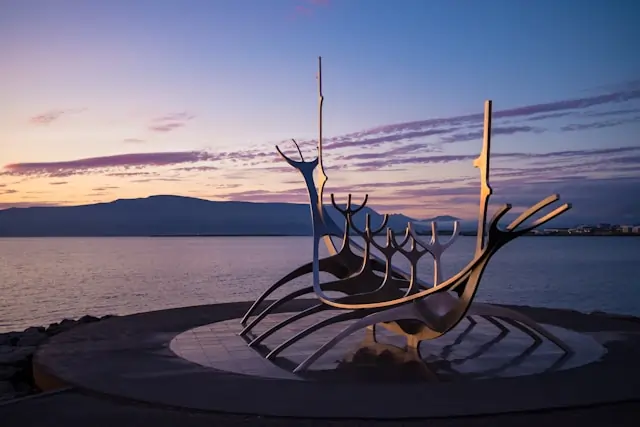
In Reykjavik, the capital of Iceland, the Summer Solstice is celebrated with gusto. Locals light bonfires, dance to traditional music, and share stories from Icelandic folklore. As the sun barely dips below the horizon, you’ll experience the magical phenomenon of the midnight sun—a surreal sight that stays etched in your memory.
Reykjavik: A Brief Overview
- Location: Reykjavik is located on the Seltjarnar Peninsula, at the southeastern corner of Faxa Bay, in southwestern Iceland.
- Founding: According to tradition, Reykjavik (“Bay of Smokes”) was founded in 874 by the Norseman Ingólfur Arnarson.
- Historical Significance: Until the 20th century, it was a small fishing village and trading post. In 1786, it was granted municipal powers and designated the administrative center of the Danish-ruled island.
- Capital Status: It became the capital of a self-governing Iceland under the Danish king in 1918 and of the independent Republic of Iceland in 1944.
Reykjavik Today
- Population: Reykjavik has a population of around 140,000 (as of 2023), with the Greater Reykjavik area having around 248,000 residents.
- Economic Hub: It is the center of Iceland’s cultural, economic, and governmental activity.
- Clean and Safe: Reykjavik is among the cleanest, greenest, and safest cities in the world.
Notable Features:
- Geothermal Power: The city is heated by hot water piped from nearby hot springs, and its many public outdoor swimming pools are also geothermal.
- Land of Contrasts: Reykjavik is both cosmopolitan and small-town, vibrant and sophisticated, young-at-heart, and yet full of history.
- Midnight Sun: During summer, you’ll experience almost 24 hours of daylight due to the phenomenon known as the “midnight sun.”
Best Time to Visit:
- Summer (June to August): Long days, pleasant temperatures, and ease of access make it ideal for tourists.
- Fall and Spring: Fewer crowds and lower prices.
- Winter: Beautiful but requires planning for colder weather.
If you’re interested in exploring more, check out these top experiences and tours in Iceland:
- Golden Circle Full Day Tour (Likely to sell out!)
- Silfra Snorkeling Tour (Includes photos + small group)
- South of Iceland Full Day Trip (Our pick!)
- Whale Watching in Reykjavik (On a luxury yacht)
- Northern Lights Bus Tour (Great with a local guide)
- Ice Cave Tour and Glacier Hike (Likely to sell out)
Enjoy your time in Reykjavik!
Icelandic: Hér er yfirleitt gott að heimsækja Reykjavík frá júní til ágúst. Sumartíminn býður upp á löng dagsbirtu og þægilegar hitastig, sem gerir það að fullkomnu tímabili fyrir ferðalanga. Ef þú vilt forðast fjölda ferðamanna og hækkandi verð, getur þú líka komið á heimsókn í haust eða vori.
Cusco, Peru
The ancient Inca city of Cusco hosts the Inti Raymi festival during the Summer Solstice. This vibrant celebration pays homage to the sun god, Inti, with colorful processions, music, and dance. Head to the historic fortress of Sacsayhuaman, where the main ceremony takes place, and feel the energy of ancient traditions.
Cusco: The Ancient Inca Capital
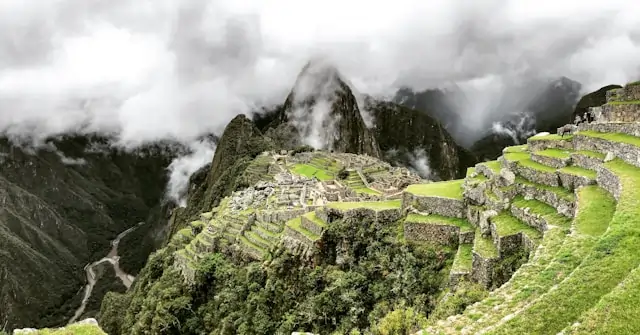
- Location: Cusco, also known as Cuzco or Qosqo in Quechua, is situated in southeastern Peru near the Sacred Valley of the Andes mountain range and the Huatanay River.
- Elevation: The city stands at an average elevation of 3,400 meters (11,200 feet).
- History: Cusco was the capital of the Inca Empire from the 13th century until the 16th-century Spanish conquest.
- Architecture: It retains much of its highly crafted early stone architecture, which is typically preserved in the foundations and lower stories of Spanish colonial structures.
- UNESCO World Heritage Site: In 1983, Cusco was declared a World Heritage Site by UNESCO with the title “City of Cuzco.”
- Tourism: Cusco has become a major tourist destination, hosting over 2 million visitors a year. It provides passage to numerous Incan ruins, including the famous Machu Picchu, one of the Seven Modern Wonders of the World.
Best Time to Visit Cusco
- Dry Season (May to October): Considered the best time to travel, the weather is predominantly dry, with bright and sunny days. Nights can be cool, especially in June and July.
- Wet Season (November to April): Although less attractive for tourism, this season makes the region lush and green. Rainfall comes in heavy bursts, typically in the afternoon.
- Ideal Month: May is an excellent time to visit. There’s minimal rain, lush greenery from the passing wet season, and generally lower tourism levels.
Santa Fe: The City of Holy Faith
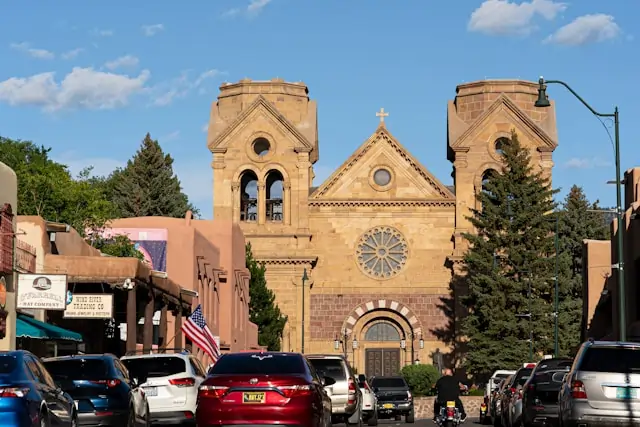
Santa Fe, nestled in the high desert of New Mexico, embraces the Summer Solstice with reverence. The Pueblo people honor the sun’s life-giving energy through sacred dances, feasts, and art exhibitions. Explore the city’s galleries, soak in the spiritual atmosphere, and witness the sun’s fiery descent over the rugged landscape.
Location
Santa Fe is the capital of the U.S. state of New Mexico. It lies in the northern Rio Grande valley at an elevation of 6,996 feet (2,132 meters) above sea level, nestled at the foot of the Sangre de Cristo Mountains.
History
Founded in 1610 by Governor Don Pedro de Peralta, it was named Villa Real de la Santa Fé de San Francisco de Asis (Spanish: “Royal City of the Holy Faith of St. Francis of Assisi”).
Cultural Capital
Santa Fe is widely considered one of the country’s great art cities due to its many art galleries, installations, and vibrant cultural scene.
Climate
The city experiences four distinct seasons. Winters are chilly with occasional snow, while summers can be warm with highs occasionally reaching the low 90s°F. Spring and fall offer pleasant weather.
Best Times to Visit:
- Fall (September to November): Ideal for festivals, art markets, and comfortable temperatures.
- Spring (May): Enjoy the lush landscapes and cultural events.
- Winter (December to February): Smaller crowds, affordable accommodations, and beautiful farolitos (small candles) decorate the town during Christmas.
- Summer (June to August): Warm days, vibrant cultural events, and occasional afternoon showers. However, it’s the peak season with higher prices.
Stockholm, Sweden
Swedes celebrate Midsommar, their version of the Summer Solstice, with enthusiasm. Colorful maypoles adorned with flowers stand tall in parks, and locals dance around them. Join the festivities by picking wildflowers, indulging in herring and schnapps, and dipping in one of Stockholm’s pristine lakes.
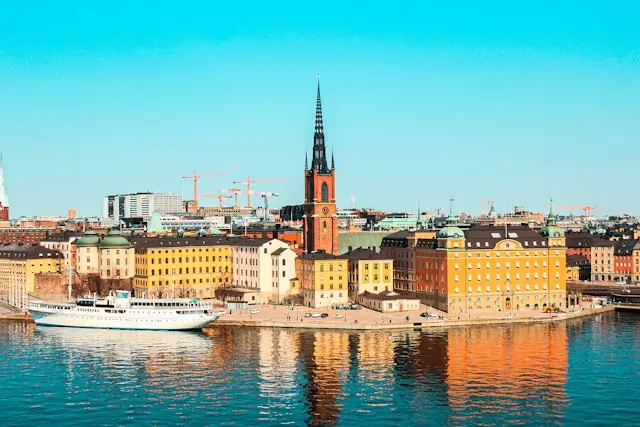
Stockholm, the capital of Sweden, is a city that offers a unique blend of historical charm and modern urban life. Here’s a comprehensive guide to help you plan your visit:
Best Times to Visit Stockholm
- High Season (June to August): Enjoy long days, sunshine, and outdoor activities.
- Shoulder Season (September to October, April to May): Ideal for hiking, cycling, and dining without the crowds.
- Low Season (November to March): Perfect for holiday shopping, ice skating, and experiencing the cozy winter atmosphere.
Geography
- Location: Stockholm is situated where Lake Mälaren flows into the Baltic Sea, spread over 14 islands connected by over 50 bridges.
- Archipelago: The city is part of a vast archipelago of some 20,000 islands.
History
- Founding: Stockholm was officially founded in 1252 by Birger Jarl.
- Development: The city developed rapidly in the mid-17th century as Sweden became a great power.
Locality
- Urban Life: Stockholm is known for its beautiful architecture, green spaces, and proximity to water, making it one of the most beautiful capitals in the world.
- Culture: It’s a hub for innovation, hosting events like Stockholm Pride and being home to companies like Spotify and Mojang Studios.
As the sun lingers in the sky, these destinations come alive with joy, music, and ancient rituals. Whether you seek spiritual enlightenment or want to revel in the magic of the longest day, these Summer Solstice celebrations offer a unique blend of tradition and modernity.